Source Floral Print Face Scarf for Travel, Beach, and Fashion
Compare 29 floral print face scarf options featuring breathable, quick-dry, and anti-bacterial properties. Buyers can evaluate sizes, patterns, and customization services from verified Chinese manufacturers offering ready stock and OEM capabilities; compare the available evidence and request quotations based on your requirements.
Key considerations
Products List




Comprehensive Sourcing Guide
Floral Print Face Scarf Sourcing Guide
Sourcing floral print face scarves requires a nuanced understanding of material versatility and aesthetic customization. Buyers must distinguish between decorative silk variants and functional synthetic blends, as the supplied data indicates a wide range of product models and standard sizes. The observed listings show origins primarily from China, with customization options available for patterns, colors, and packaging. This flexibility allows for tailored branding but demands rigorous specification alignment to ensure the final product matches the intended use, whether for fashion, travel, or protective purposes.
Procurement teams should prioritize suppliers who offer clear evidence of their dyeing and washing processes, particularly when eco-friendly claims are central to the brand identity. The presence of eco-friendly dyes and environmental protection additives in the supply chain suggests a growing market demand for sustainable textile practices. However, buyers must verify these claims through documentation rather than relying solely on product descriptions. Establishing a clear communication channel for design approvals and sample iterations is essential to mitigate risks associated with pattern misalignment or color deviation in mass production runs.
Product Scope and Observed Listing Signals
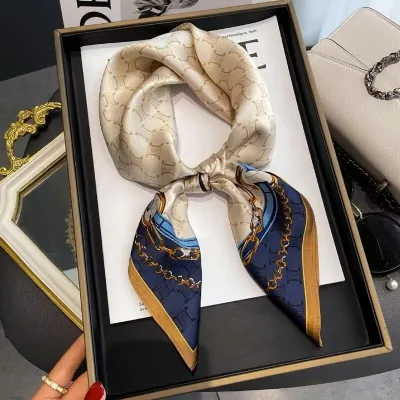
The current market landscape for floral print face scarves reveals a diverse array of product attributes, including multiple color options, abstract floral patterns, and botanical prints. Listings indicate a significant variation in dimensions, with standard sizes ranging from compact 70x70cm squares to elongated 70x180cm and 90x90cm formats. This variety supports multi-functional uses, such as shawls, neckwear, beach towels, and hijab headbands. Buyers should carefully map these dimensions to their target demographic’s preferences, ensuring that the selected style aligns with both aesthetic trends and practical utility requirements.
Observations also highlight specific material qualities, such as silky soft hand-feels, lightweight textures, and quick-dry capabilities. Some products are explicitly described as breathable, windproof, and anti-bacterial, suggesting suitability for active or travel-oriented consumers. The availability of ready stock and fast delivery for bulk orders indicates a mature supply chain capable of handling urgent replenishment needs. However, the wide range of single gross weights, from 0.3 Kg to 90 G, underscores the importance of verifying material composition and density to avoid discrepancies in shipping costs and product feel.
Technical Specifications to Verify
Verifying technical specifications is critical to ensuring product consistency and performance. Buyers must confirm the exact material composition, as some listings specify 100% silk with 6A raw silk grade, while others imply synthetic blends through features like quick-dry and wrinkle resistance. It is essential to request detailed fabric specifications, including thread count, weave type, and finishing treatments. Additionally, the dyeing process should be clearly defined, with a preference for eco-friendly dyes that meet international safety standards. This verification helps prevent issues related to color fastness, skin irritation, or environmental non-compliance in export markets.
Dimensional accuracy and packaging standards are equally important technical considerations. The observed product standards vary significantly, from 70x70cm to 180x70cm, requiring precise measurement protocols during quality control. Buyers should also verify the packaging method, whether it is individual OPP bags, polybags, or customized packaging as requested. Consistency in packaging not only protects the product during transit but also enhances the unboxing experience for end consumers. Establishing clear tolerances for size and weight variations in the purchase agreement will help maintain quality standards across different production batches.
Compliance and Safety Documentation
Compliance with international safety and environmental standards is non-negotiable for global textile trade. Buyers must ensure that suppliers provide relevant documentation, such as REACH compliance certificates, which indicate the absence of harmful substances in the dyes and finishes. The mention of eco-friendly dyes and environmental protection additives in the supply chain suggests a commitment to sustainability, but this must be backed by third-party test reports. Verifying these documents protects the brand from regulatory penalties and enhances consumer trust in the product’s safety and environmental impact.
Furthermore, buyers should inquire about specific testing protocols for color fastness, shrinkage, and tensile strength. While some listings claim wrinkle resistance and easy care, these attributes should be validated through standardized testing methods. Documentation should also cover labor practices and ethical sourcing, particularly if the brand emphasizes social responsibility. By requiring comprehensive compliance packages, buyers can mitigate risks associated with product recalls, legal liabilities, and reputational damage. This due diligence ensures that the floral print face scarves meet the highest standards of safety and sustainability in the target market.
Cost Drivers and Commercial Terms
Cost structures for floral print face scarves are influenced by material quality, customization complexity, and order volume. The observed MOQ range of 1 to 2000 units offers flexibility for both small boutique orders and large-scale retail purchases. However, lower MOQs may come with higher per-unit costs due to setup fees for custom printing and packaging. Buyers should negotiate clear pricing tiers based on volume, ensuring that economies of scale are reflected in the final cost. Additionally, the availability of free samples can help assess quality before committing to large orders, reducing the financial risk of unsatisfactory products.
Commercial terms such as lead times and payment conditions also play a significant role in procurement planning. Sample lead times of 7-15 days indicate a responsive production cycle, but bulk order lead times should be explicitly agreed upon to avoid delays. Buyers should also consider the cost of customization, including design fees and mold charges, if applicable. Transparent communication regarding these commercial terms helps in accurate budgeting and inventory management. Establishing a robust contract that outlines penalties for delays and quality failures is essential for maintaining supply chain reliability.
Supplier Qualification and Quality Control
Supplier qualification involves a thorough assessment of manufacturing capabilities, quality control systems, and past performance. Buyers should verify the supplier’s experience in producing floral print face scarves, particularly their ability to handle complex patterns and custom designs. Requesting references or case studies from previous clients can provide insights into the supplier’s reliability and consistency. Additionally, on-site audits or third-party inspections can help evaluate the factory’s production environment, equipment, and adherence to quality standards. This due diligence ensures that the supplier can meet the buyer’s expectations for product quality and delivery timelines.
Quality control protocols should be established before production begins, including pre-production sample approvals and in-line inspections. Buyers should define clear acceptance criteria for color accuracy, pattern alignment, and fabric quality. Implementing a random sampling plan for final inspections can help identify defects before shipment. Furthermore, establishing a feedback loop for continuous improvement allows the buyer to address any recurring issues promptly. By maintaining a proactive approach to quality control, buyers can ensure that the floral print face scarves meet the highest standards of excellence and customer satisfaction.
Long-Term Procurement Checks
Long-term procurement success depends on continuous monitoring of supplier performance and market trends. Buyers should regularly review key performance indicators, such as on-time delivery rates, defect rates, and responsiveness to issues. Establishing a periodic review process allows for the identification of areas for improvement and the reinforcement of successful practices. Additionally, staying informed about emerging trends in floral prints, fabric technologies, and consumer preferences helps in adapting the product offering to maintain competitiveness. This proactive approach ensures that the procurement strategy remains aligned with market demands and business objectives.
Building a resilient supply chain also involves diversifying suppliers and maintaining strategic relationships with key partners. Buyers should avoid over-reliance on a single source by qualifying alternative suppliers for critical components or designs. Regular communication and collaboration with suppliers can foster innovation and cost-saving opportunities. Furthermore, investing in relationship management ensures that both parties are aligned on goals and expectations, leading to a more stable and productive partnership. By focusing on long-term checks and relationship building, buyers can secure a sustainable and competitive advantage in the floral print face scarf market.
FAQs
What customization options are available for floral print face scarves?
Customization is available for floral print face scarves, allowing buyers to select specific patterns, colors, and sizes. The product supports OEM and ODM services, with options for customized packing methods such as individual OPP bags. Buyers can request specific dimensions like 70x180cm or 90x90cm to meet unique branding or functional requirements.
What materials and features define the quality of these scarves?
The scarves are crafted from 100% silk with a 6A raw silk grade, offering a silky soft and lightweight hand feel. Key features include breathability, quick-dry properties, anti-bacterial treatment, and windproof functionality. The fabric is wrinkle-resistant and easy to care for, ensuring durability and comfort for daily wear or travel use.
What are the standard specifications and size options for these products?
Standard specifications include sizes such as 70x70cm, 90x90cm, and 70x180cm, with customization available for other dimensions. The products originate from China and are designed for multi-functional use as shawls, neckwear, beach towels, or hijab headbands. Each item typically weighs around 90 grams, making them lightweight and portable for various applications.
What is the minimum order quantity and sample availability?
The minimum order quantity is 10 pieces, facilitating small batch testing for new buyers. Free samples are available upon request, allowing customers to verify quality before committing to bulk orders. Sample lead times range from 7 to 15 days, while bulk orders benefit from ready stock availability for fast delivery when items are in inventory.
How are the scarves packaged and what is the environmental impact?
Packaging is typically one piece per polybag or OPP bag, with customizable packing options to meet specific buyer requirements. The manufacturing process uses eco-friendly dyes and environmental protection additives during washing. These practices ensure the products are reach compliant and minimize environmental impact, appealing to buyers seeking sustainable and responsible sourcing options for their supply chain.
Can buyers request specific pattern styles for their orders?
Yes, buyers can request specific pattern styles, including abstract flowers, botanical prints, or other customized designs. The product page indicates that pattern types are customized, allowing for unique aesthetic choices. This flexibility supports brand differentiation, enabling buyers to select designs that align with current fashion trends or specific market preferences for their target audience.